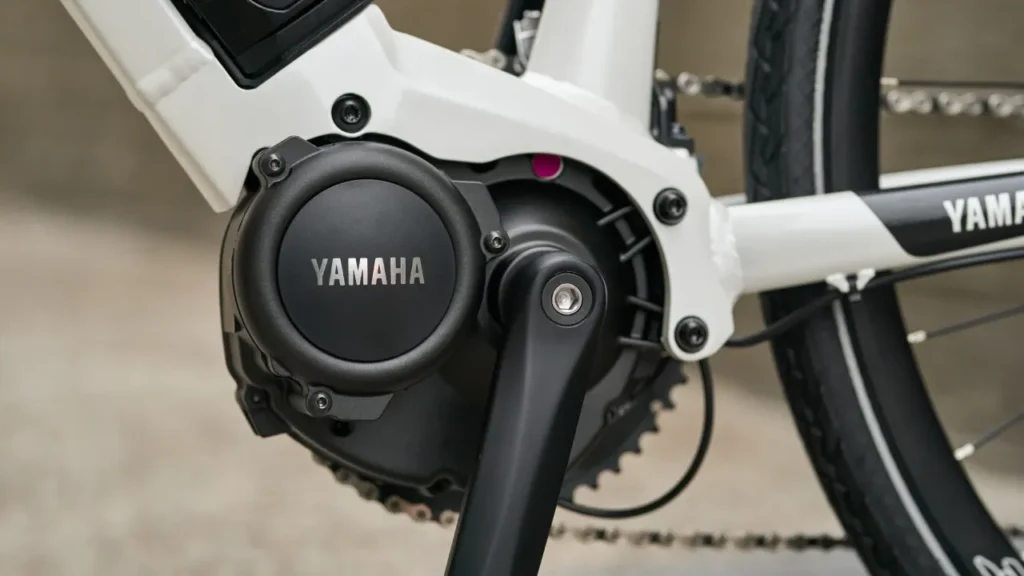
As India steadily shifts toward cleaner transportation options, electric cycles are emerging as a practical and affordable solution for daily commuting. Known globally for engineering precision and long-lasting performance, Yamaha has built strong credibility across motorcycles, scooters, and marine products. Now, industry discussions suggest that the company may expand into India’s growing electric bicycle market with a feature-rich and commuter-friendly model.
Minimalist Yet Practical Design for Everyday Riders
Yamaha has traditionally focused on functional design rather than excessive styling, and the same approach is expected for its electric cycle. Instead of flashy elements, the company is likely to emphasize a lightweight yet durable frame with clean lines and balanced geometry.
A well-engineered frame makes daily commuting smoother, especially in crowded city traffic. Easy maneuverability, stable handling, and comfortable mounting are expected to be central highlights. This design approach ensures that the cycle remains suitable for riders across different age groups, including college students and senior citizens who prefer a stress-free riding experience.

Up to 150KM Riding Range on a Single Charge
One of the most talked-about aspects of the upcoming Yamaha electric cycle is its claimed 150KM riding range on a single charge. If real-world performance aligns with this figure under standard riding conditions, it would place the cycle among the top contenders in its category.
For daily commuters, such a range significantly reduces charging frequency. A rider covering 15–20 kilometers per day may only need to charge the battery once every few days, depending on riding mode and terrain.
Advanced Lithium-Ion Battery with Home Charging Support
The Yamaha electric cycle is expected to feature a lithium-ion battery pack, known for better energy efficiency, longer life cycles, and faster charging compared to older battery technologies.
Lithium-ion batteries offer:
Improved energy density
Reduced overall weight
Longer durability
Consistent performance over time
Home charging capability is likely to be a major advantage. Users may be able to plug the battery into a standard household power socket. A removable battery option could further enhance practicality, especially for apartment residents who prefer charging indoors rather than moving the entire cycle.
Optimized Electric Motor for Smooth City Performance
Yamaha’s expertise in motor engineering gives it a competitive advantage in electric mobility. Instead of focusing on high top speeds, the electric cycle is expected to be tuned for smooth acceleration and consistent urban performance.
The inclusion of multiple pedal-assist modes could allow riders to choose the level of electric support they need. This feature is especially useful for:
Uphill climbs
Long-distance commuting
Stop-and-go traffic
Reducing rider fatigue
Smart Digital Features for Modern Commuters
Modern electric vehicles increasingly integrate smart technology, and Yamaha’s electric cycle is expected to follow this trend. A digital display unit may provide real-time information such as:
Current speed
Battery percentage
Selected riding mode
Estimated remaining range
Future-ready connectivity features like mobile app integration, ride tracking, and service alerts may also be included. These features can enhance usability and help users monitor battery health and maintenance schedules efficiently.
Enhanced Safety with Disc Brakes and Stable Suspension
Safety remains a critical factor in daily commuting, especially in congested Indian cities. Yamaha is expected to equip the electric cycle with disc brakes on both wheels for improved stopping power and control.
Additional safety-focused elements may include:
Wide, high-grip tires
Balanced suspension setup
LED front and rear lighting
Reflectors for night visibility
Comfort-Oriented Ergonomics for Long-Term Use
Comfort plays a key role in the adoption of electric cycles for everyday commuting. Yamaha is likely to focus on a relaxed riding posture, cushioned saddle, and ergonomically positioned handlebars.
This comfort-focused approach can reduce strain during longer rides and make the cycle suitable for daily office commutes, grocery runs, or casual evening rides. A well-designed seat and upright posture also improve visibility and overall riding comfort.
Expected Price and Value for Money Factor
Although official pricing details are not available, industry observers expect Yamaha to adopt a competitive pricing strategy to attract first-time electric mobility buyers.
Factors that could enhance the value proposition include:
Low maintenance requirements
Minimal charging costs
Reliable after-sales support
Strong brand trust
Potential Impact on India’s Electric Mobility Landscape
India’s electric mobility market is expanding rapidly, supported by growing environmental awareness and supportive policies. Electric cycles, in particular, are gaining popularity for short-distance travel and last-mile connectivity.
Yamaha’s possible entry into this segment could raise overall product quality standards and boost consumer confidence. With its established brand reputation, engineering expertise, and extensive service network, the company has the potential to make electric bicycles more mainstream in urban India.
If launched with practical features, dependable performance, and realistic pricing, the Yamaha electric cycle could become a strong contender in India’s evolving clean mobility ecosystem.


Hi, I’m Waseem, the founder and author of Matola. I’m passionate about smartphones and automobiles, and I enjoy researching and sharing useful information in a simple and honest way. My goal is to help readers stay updated with the latest technology trends, mobile devices, and auto news without confusion. Through Matola, I aim to provide reliable content that is helpful, user-friendly, and easy to understand for everyone.