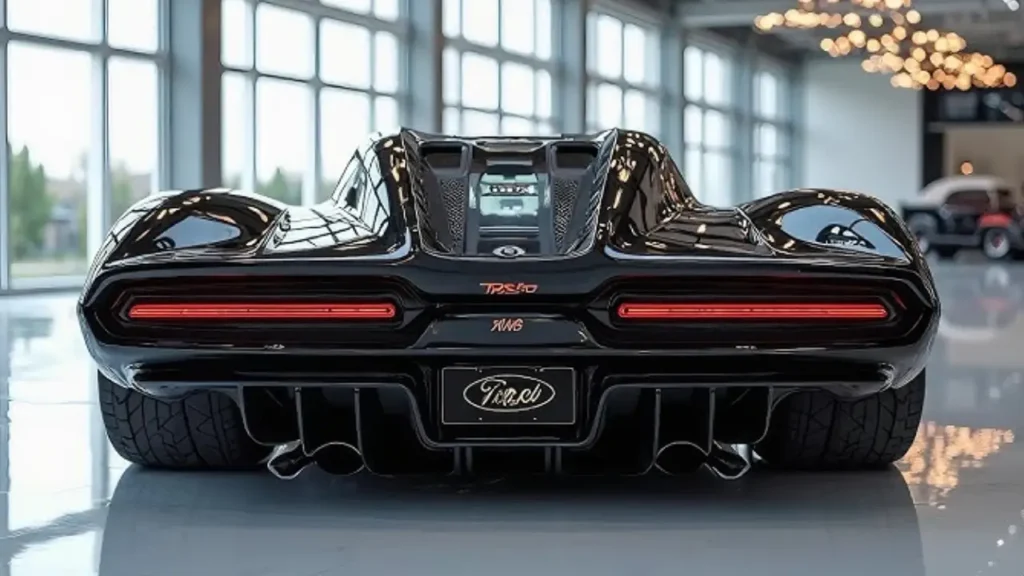
2026 Ford Torino GT 429 is generating major attention among performance car enthusiasts as reports suggest the legendary American muscle nameplate could make a modern comeback. The original Torino models of the late 1960s and early 1970s became famous for their powerful engines, aggressive styling, and strong presence in American car culture.
Expected Powertrain Options for the 2026 Ford Torino GT 429
Although official specifications have not yet been confirmed, industry reports suggest that the 2026 Ford Torino GT 429 could be offered with several performance-focused powertrain options. These options are expected to cater to both traditional muscle car enthusiasts and buyers interested in modern electrified performance systems.
Possible configurations may include a 5.0-liter naturally aspirated V8 producing around 450 horsepower, a higher-performance 6.4-liter V8 engine with an estimated 650 horsepower, and a potential twin-turbo V8 hybrid system paired with an electric motor that could deliver significantly higher output. These options would allow the Torino lineup to offer a wide performance range while keeping the character of a true muscle coupe.

Performance Expectations and Acceleration Estimates
Performance has always been a defining element of the Torino name, and the new generation is expected to continue that legacy. Early estimates suggest that the base V8 model could accelerate from 0 to 60 mph in approximately 4 seconds, placing it firmly within the modern high-performance coupe category.
Higher-performance variants, particularly the rumored hybrid model, may achieve acceleration closer to 2.8 seconds from 0 to 60 mph. Rear-wheel drive will likely remain the standard setup to preserve the classic muscle car driving experience, while an optional all-wheel-drive system may be introduced for hybrid trims to enhance traction and control.
Expected Release Timeline and Production Plans
Current industry discussions indicate that Ford could officially unveil the 2026 Ford Torino GT 429 sometime toward the end of 2025. If this timeline holds, production could begin shortly afterward, with the first customer deliveries potentially arriving in early 2026.
There is also speculation that the manufacturer may initially adopt a limited production strategy to build excitement and manage early demand. Performance-focused models often follow this approach, allowing manufacturers to gauge market interest before expanding availability in later production cycles.
Modern Technology Meets Classic Muscle Engineering
The upcoming Torino revival is expected to demonstrate how traditional performance vehicles can evolve without losing their core identity. Modern engineering developments may allow the car to deliver both raw muscle-car power and improved efficiency compared with older generations.
Potential technology highlights could include advanced performance driving modes, electronically controlled suspension systems, active aerodynamics, and regenerative braking for hybrid variants. These technologies would help the vehicle maintain stability and control during aggressive driving while meeting modern engineering standards.
Exterior Design Inspired by the Original Torino
Design will play an important role in ensuring that the new Torino remains recognizable while still feeling modern. Early design discussions suggest that the vehicle could feature a long sculpted hood, muscular body proportions, and a fastback-inspired rear profile, echoing the styling elements of classic Torino models.
Additional exterior details may include modern LED lighting, wide fender arches, aerodynamic body panels, and lightweight materials designed to improve both performance and efficiency. The goal appears to be creating a car that respects the heritage of the Torino name while fitting naturally within today’s sports coupe segment.

Interior Technology and Driver-Focused Cabin
The interior of the 2026 Torino GT 429 is expected to combine modern technology with performance-focused ergonomics. Drivers may find a fully digital instrument cluster, a large central infotainment display, and advanced connectivity features designed for convenience and driver engagement.
Premium materials, sport-inspired seating, and a cockpit-style layout are likely to emphasize the vehicle’s performance character. These elements would allow the car to deliver a comfortable driving experience for daily use while still supporting spirited performance driving.
Why the Torino GT 429 Return Is Significant
The return of the Torino name reflects a broader trend within the automotive industry. Rather than abandoning performance heritage completely, manufacturers are exploring ways to combine traditional internal combustion engines with modern electrification technologies.
This approach allows vehicles to maintain their iconic identity while adapting to new efficiency expectations and evolving market demands. If developed successfully, the new Torino could demonstrate how classic American muscle cars can remain relevant in a rapidly changing automotive landscape.
Important Factors for Potential Buyers
For buyers considering the 2026 Torino GT 429, it will be important to monitor official announcements from Ford for verified information. Early rumors and speculative reports often circulate before production vehicles are confirmed, so relying on official specifications and release updates will help avoid confusion.
Potential owners should also consider factors such as purchase price, maintenance costs, insurance rates, and regional availability. Performance vehicles typically involve higher ownership expenses compared with standard models, especially for limited production variants.
Final Outlook for the 2026 Ford Torino GT 429
The potential return of the Ford Torino GT 429 represents one of the most anticipated muscle car discussions in recent years. By combining the emotional appeal of classic American performance with modern engineering advancements, the upcoming model could appeal to both longtime enthusiasts and a new generation of drivers.
As official details continue to emerge, the Torino GT 429 may become a significant example of how historic performance nameplates can evolve while preserving their legacy. If Ford successfully balances heritage styling, powerful engines, and modern technology, the new Torino could play an important role in the future of modern muscle cars.


Hi, I’m Waseem, the founder and author of Matola. I’m passionate about smartphones and automobiles, and I enjoy researching and sharing useful information in a simple and honest way. My goal is to help readers stay updated with the latest technology trends, mobile devices, and auto news without confusion. Through Matola, I aim to provide reliable content that is helpful, user-friendly, and easy to understand for everyone.